
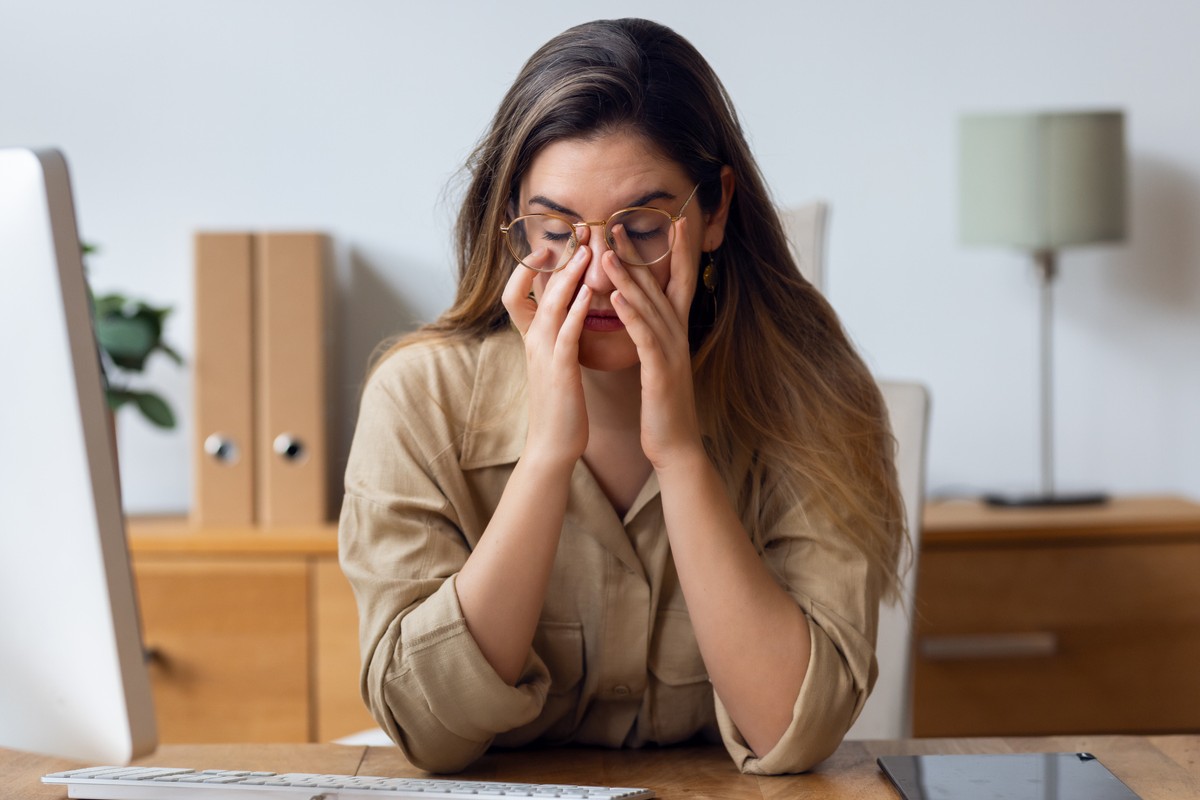
Stress can shift the timing of your period, including causing it to appear earlier than expected. Your menstrual cycle is controlled by a chain of hormone signals between your brain and your ovaries, and stress hormones can interrupt that chain. When that happens, your cycle length can change, sometimes by a few days and sometimes by more. An early period now and then is usually not a cause for concern, but it helps to understand why it happens and when it is worth a closer look.
How Stress Affects Your Cycle
When your body is under stress, it releases a hormone called cortisol. Cortisol is helpful in short bursts, but when levels stay high, it interferes with another important hormone called gonadotropin-releasing hormone, or GnRH. GnRH is the signal your brain sends to start the chain reaction that controls ovulation and your period.
When GnRH gets disrupted, the balance of estrogen and progesterone shifts. That shift can move ovulation earlier or later, which in turn changes when your period shows up. For some women, the result is an early period. For others, it might be a late one, a lighter flow, or a skipped cycle altogether.
Common Triggers That Can Throw Off Your Cycle
Stress is not just about feeling overwhelmed at work. Your body responds to many kinds of stress, and any of them can affect your hormones. Some of the most common triggers include:
- Emotional stress from work, school, relationships, or major life changes
- Physical stress from intense exercise, not eating enough, or rapid weight loss
- Lack of sleep or sudden changes to your sleep schedule
- Illness, infection, or recovery from surgery
Travel and big schedule changes can also play a role. Even something that feels positive, like planning a wedding or starting a new job, can register as stress in your body.
When an Early Period Is Probably Normal
A cycle that arrives a few days early once in a while is usually nothing to worry about. The average menstrual cycle is about 28 days, but anywhere from 21 to 35 days is considered within a normal range. Cycles can naturally vary by a few days from month to month, especially during times of higher stress, travel, or schedule changes.
If your period is a little early but your flow, length, and symptoms feel like your usual cycle, it is likely your body responding to a temporary change. Things often settle back into rhythm on their own once the stressor passes.
When to Pay Closer Attention
There are times when an early period, or a pattern of irregular periods, deserves a closer look. Reach out to your provider if you notice:
- Cycles that are consistently shorter than 21 days
- Bleeding between periods or after sex
- Very heavy bleeding, large clots, or periods lasting longer than seven days
- Severe pain, dizziness, or symptoms that interfere with daily life
Ongoing irregular cycles can sometimes point to conditions like thyroid disorders, polycystic ovary syndrome, perimenopause, or other hormonal imbalances. These are all things a provider can help evaluate and treat.
Ways to Support a More Regular Cycle
Managing stress will not guarantee a perfectly predictable cycle, but it can help your hormones stay more balanced. Regular physical activity, steady sleep, and a balanced diet all support healthy hormone function. Mind-body practices like deep breathing, yoga, journaling, and meditation have been shown to lower cortisol levels over time. Staying connected with people who support you is also important, since social connection is one of the most studied buffers against chronic stress. Tracking these patterns is also something you can review during a well-woman exam.
If you suspect your stress level is affecting more than just your cycle, talking with a mental health professional or seeking counseling support can be a valuable step. Your body and your mind are closely linked, and caring for one often helps the other.
Listen to What Your Cycle Is Telling You
Your period is one of the clearest signals your body sends about your overall health. An occasional early period during a stressful stretch is usually nothing to worry about, but ongoing changes are worth paying attention to. If your cycle has shifted in ways that feel concerning, or if irregular periods are becoming a pattern, schedule an appointment with Care for Women’s Medical Group. The team can provide you with answers and build a plan that supports your hormonal health for the long run.