
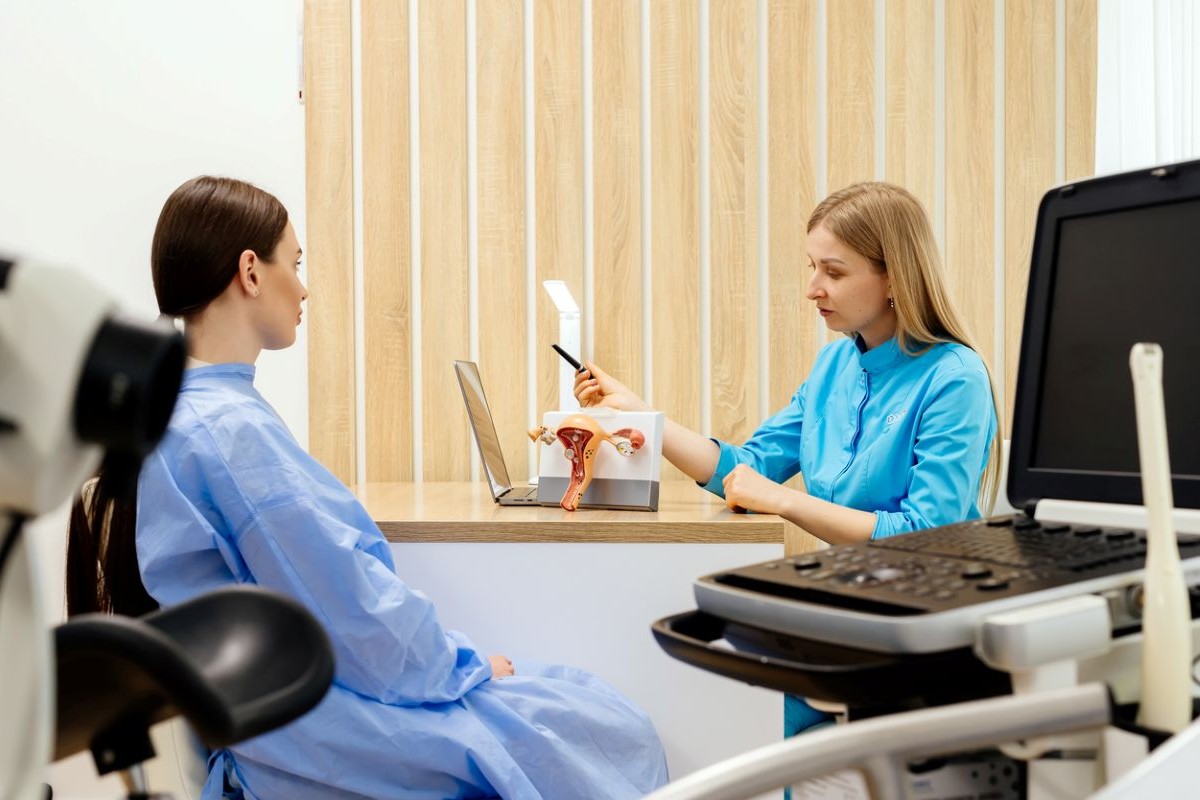
Fibroids are one of the most common benign tumors affecting women, yet many remain unaware of their presence or the range of treatment options available. At Care For Women’s, we are committed to empowering women with the knowledge and resources needed to understand, diagnose, and manage fibroid-related health concerns. In this article, we explore what fibroids are, how to recognize their symptoms, and the latest treatment options available, all while highlighting our compassionate approach and advanced methods for care.
What Are Fibroids?
Fibroids, also known as uterine leiomyomas, are non-cancerous growths that develop within the muscular wall of the uterus. Although the exact cause of fibroids is not fully understood, hormonal factors—particularly estrogen and progesterone—play a significant role in their development and growth. These tumors can vary greatly in size, number, and location. Some fibroids are so small that they remain undetected without imaging, while others can grow large enough to distort the uterine cavity and cause significant symptoms. Their prevalence increases during a woman’s reproductive years, and many women discover their presence during routine pelvic examinations or when seeking evaluation for other gynecological issues.
Recognizing the Symptoms of Fibroids
Many women with fibroids do not experience any symptoms, and the condition is often discovered incidentally. However, when symptoms do occur, they can vary widely depending on the size, number, and location of the fibroids. Women may notice heavy menstrual bleeding, which in some cases can lead to anemia, prolonged periods, or bleeding between cycles. Pelvic pressure or pain is also common; some women describe a feeling of fullness or heaviness in the lower abdomen. In certain cases, fibroids can press against the bladder or bowel, leading to frequent urination, constipation, or discomfort during bowel movements. Other reported symptoms include lower back pain and pain during intercourse. Recognizing these symptoms early is crucial, as timely intervention can prevent complications and improve quality of life.
The Impact of Fibroids on Women’s Health
Fibroids can affect much more than the reproductive system. The physical discomfort caused by fibroids, combined with the potential for heavy menstrual bleeding, may lead to fatigue and anemia. In addition, the emotional burden of managing chronic pain and dealing with unpredictable bleeding patterns can contribute to anxiety and stress. Many women express concerns about their fertility when fibroids distort the uterine cavity or interfere with implantation, which adds another layer of emotional distress. Understanding the full scope of how fibroids impact both physical and emotional health is essential for developing a comprehensive treatment plan that addresses all aspects of well-being.
Exploring Treatment Options
The management of fibroids has evolved significantly in recent years, with a variety of treatment options now available. The ideal treatment plan is highly individualized and depends on factors such as the severity of symptoms, the size and location of the fibroids, a woman’s age, and her reproductive goals. At Care For Women’s, our approach is centered on personalized care that respects each woman’s unique situation and life plans.
For women with minimal or no symptoms, a watchful waiting approach may be recommended. Regular monitoring through pelvic exams and imaging studies allows both the patient and her healthcare provider to track any changes in the fibroids over time. However, when fibroids begin to cause significant discomfort or complications, more active treatment may be necessary.
Non-Invasive Therapies
Non-invasive treatment options have gained significant attention because they offer symptom relief without the need for surgery. One of the most promising non-invasive techniques is magnetic resonance-guided focused ultrasound (MRgFUS). This cutting-edge technology uses high-intensity ultrasound waves to heat and destroy fibroid tissue while preserving the surrounding healthy tissue. The procedure is performed on an outpatient basis, and many women experience a reduction in fibroid size and associated symptoms with minimal downtime.
Hormonal therapies have also advanced, offering another non-invasive method of managing fibroids. Medications such as gonadotropin-releasing hormone (GnRH) agonists temporarily reduce estrogen levels, which can lead to a decrease in fibroid size and a reduction in heavy bleeding. Although these hormonal treatments are typically used as a temporary measure or as a bridge to more definitive treatment, they can be very effective in controlling symptoms and improving quality of life.
Medical Management
Advances in pharmacological treatments have expanded the options available for managing fibroids without surgery. One notable development is the use of selective progesterone receptor modulators (SPRMs). These drugs work by altering the effects of progesterone on fibroid tissue, which can reduce the size of the fibroids and alleviate symptoms such as heavy menstrual bleeding and pelvic pain. Medical management with SPRMs and other medications offers an alternative for women who wish to avoid invasive procedures, particularly those planning future pregnancies.
Surgical Solutions
When non-invasive and medical treatments do not sufficiently address symptoms, surgical intervention may be necessary. Myomectomy, the surgical removal of fibroids while preserving the uterus, is the preferred option for women who desire future fertility. Advances in minimally invasive surgical techniques, such as laparoscopic and robotic-assisted myomectomy, have significantly reduced recovery times and minimized complications compared to traditional open surgery.
For women who do not plan to conceive in the future, hysterectomy—the complete removal of the uterus—remains a definitive solution for eliminating fibroid-related symptoms. Modern surgical techniques have made hysterectomy safer and less invasive, offering patients a shorter hospital stay and a quicker return to their daily activities.
Care For Women’s Compassionate Approach
At Care For Women’s, we recognize that managing fibroids is a deeply personal journey. Our commitment to compassionate care means that we work closely with each patient to develop a treatment plan tailored to her specific needs and life goals. We understand that the decision to pursue treatment for fibroids can be overwhelming, which is why our team is dedicated to providing thorough counseling and support every step of the way.
Our multidisciplinary team, which includes experienced gynecologists, radiologists, and mental health professionals, is here to ensure that you receive comprehensive care. We take the time to explain each treatment option, discuss potential risks and benefits, and help you make an informed decision that aligns with your reproductive plans and overall health. Patient education is a cornerstone of our approach, and we believe that understanding your condition is the first step toward effective management and improved well-being.
Advanced Methods in Fibroid Management
Innovative technology and ongoing research continue to push the boundaries of fibroid management, and Care For Women’s is proud to offer access to some of the most advanced treatment modalities available. State-of-the-art imaging techniques allow for precise mapping of fibroid locations, which enhances our ability to plan and execute minimally invasive procedures. Our use of advanced non-invasive therapies, such as MRgFUS, reflects our commitment to leveraging the latest scientific advancements to provide effective care with minimal disruption to your life.
Moreover, our integration of telemedicine services has made it easier than ever for patients to consult with our specialists from the comfort of their own homes. This digital transformation not only enhances convenience but also ensures that you have ongoing support and follow-up care, regardless of your geographic location.
The Importance of Support and Ongoing Care
Managing fibroids is not solely about addressing physical symptoms—it also involves comprehensive support to help you cope with the emotional and psychological impacts of the condition. At Care For Women’s, we offer a range of support services, including counseling and patient support groups, to help you navigate the challenges associated with fibroids. Our holistic approach to care ensures that you receive the support you need not only to treat your fibroids but also to maintain your overall quality of life.
Ongoing monitoring is a key aspect of our management strategy. Regular follow-up appointments and imaging studies allow us to track the progression of fibroids and adjust your treatment plan as needed. This proactive approach helps to prevent complications and ensures that you continue to receive the best possible care over time.
Conclusion
Understanding fibroids and the myriad treatment options available is essential for managing your reproductive health effectively. From recognizing the early symptoms to exploring the latest advancements in non-invasive therapies, medical management, and surgical solutions, there is hope and help available for every woman. At Care For Women’s, our compassionate and personalized approach means that you receive the highest level of care tailored to your unique needs.
As we continue to move forward, emerging trends and advanced treatment methods are opening new possibilities for managing fibroid-related health concerns. Our commitment to integrating the latest research with compassionate care ensures that you are supported every step of the way—from diagnosis and treatment to ongoing care and emotional support.
For more information about fibroids, to schedule a consultation, or to explore your treatment options, please contact Care For Women’s. Let us help you take control of your health with the advanced methods and compassionate support you deserve.
References
Doe, J., & Smith, A. (2023). Advances in Non-Invasive Therapies for Fibroids. Journal of Reproductive Medicine, 45(3), 234-245. https://doi.org/10.1016/j.jrm.2023.02.005
Garcia, M. L., & Nguyen, T. (2024). Personalized Medicine in Fibroid Management. The American Journal of Obstetrics & Gynecology, 130(4), 789-798. https://doi.org/10.1016/j.ajog.2024.01.010
Johnson, K. L., & Martinez, R. P. (2024). Minimally Invasive Surgical Techniques for Uterine Fibroids. Fertility and Sterility, 112(2), 310-317. https://doi.org/10.1016/j.fertnstert.2024.03.012
At Care For Women’s, we are dedicated to advancing your reproductive health with the latest innovations and a compassionate, personalized approach. We invite you to reach out and learn how our advanced methods in fibroid management can help you achieve a healthier, happier life.