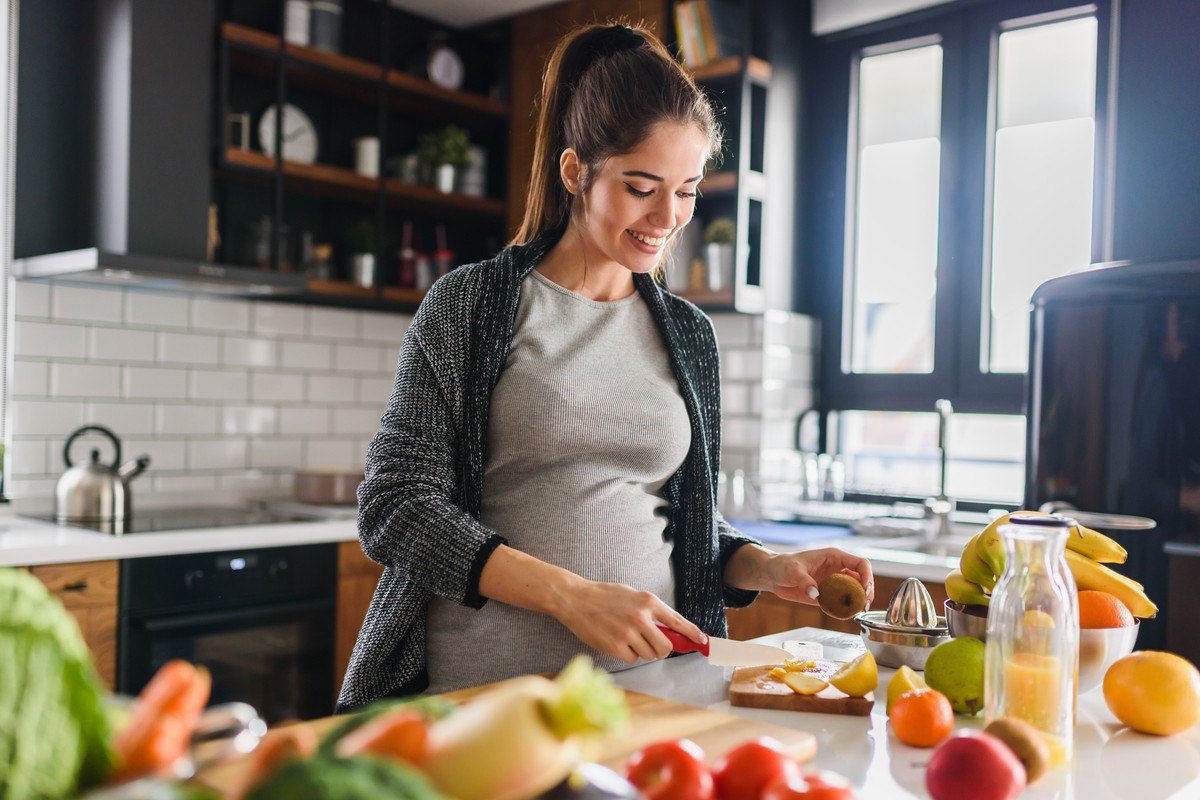
Good nutrition during pregnancy does not require a complicated diet plan or a list of exotic superfoods. It comes down to eating a balanced variety of fruits, vegetables, lean proteins, healthy fats, and whole grains while making sure you and your baby are getting the right nutrients at the right time. Here is a practical look at what to focus on, what to skip, and how to handle the less glamorous side of eating for two.
Key Nutrients Your Body Needs
Folate is one of the most critical nutrients in early pregnancy. This B vitamin helps prevent neural tube defects, which are serious abnormalities of the brain and spinal cord. Most prenatal vitamins contain the recommended 400 micrograms of folic acid, and good food sources include leafy greens, citrus fruits, lentils, and fortified breads. Because the neural tube forms very early, doctors recommend starting a prenatal vitamin as soon as you find out you are pregnant or while actively trying to conceive. If you are planning a pregnancy, preconception counseling can help you prepare your body and address nutritional needs before conception.
Calcium supports the development of your baby’s bones, teeth, heart, and muscles. Pregnant women need about 1,300 milligrams per day, which you can get through dairy products, fortified cereals, broccoli, and kale. If your intake falls short, your body will pull calcium from your own bones to supply the baby, so keeping up with this nutrient protects both of you.
Iron needs increase during pregnancy because your blood volume rises significantly. Iron helps carry oxygen to your baby and prevents anemia, which can cause fatigue and increase the risk of preterm delivery. Lean red meat, poultry, beans, spinach, and iron-fortified cereals are all solid sources of iron. Pairing iron-rich foods with vitamin C—like adding strawberries to a spinach salad, for instance—helps your body absorb iron more efficiently.
Protein is essential for your baby’s growth and tissue development, especially during the second and third trimesters when growth accelerates. Aim for about 71 grams per day from sources like chicken, fish, eggs, cottage cheese, beans, and nuts.
What Foods to Avoid and Why
Certain foods carry a higher risk of bacterial contamination or other harm during pregnancy. Raw or undercooked seafood, meat, poultry, and eggs should be avoided because they can harbor bacteria like Listeria or Salmonella, which pose serious risks to a developing baby. Soft cheeses made with unpasteurized milk, such as brie, feta, and blue cheese, can also carry harmful bacteria.
Fish with high levels of mercury, such as shark, swordfish, king mackerel, and tilefish, should be skipped entirely. However, low-mercury options like salmon, shrimp, and tilapia are beneficial because they provide omega-3 fatty acids that support your baby’s brain development. The general guideline is to enjoy up to two to three servings of low-mercury fish per week.
Caffeine does not need to be eliminated completely, but most major health organizations recommend limiting intake to about 200 milligrams per day, which is roughly one 12-ounce cup of coffee. Higher amounts have been associated with an increased risk of miscarriage and low birth weight in some studies.
Deli meats and hot dogs can be contaminated with listeria unless they are heated until steaming. If you enjoy these foods, warming them thoroughly before eating reduces the risk.
Managing Nausea, Cravings, and Food Aversions
Morning sickness is most common during the first trimester, and it can make healthy eating feel nearly impossible. When nausea is at its worst, focus on whatever you can keep down. Small, frequent meals tend to be easier to tolerate than three large ones. Bland, starchy foods like crackers, toast, rice, and bananas are gentle on the stomach. Staying hydrated is just as important as eating, so sip water, ginger tea, or broth throughout the day. For more guidance on managing morning sickness, talk to your provider about strategies that work for your situation.
Cravings are normal and usually harmless. If you are craving fruit, chocolate, or salty snacks, it is fine to enjoy them in moderation. Cravings for non-food items like ice, dirt, or chalk, a condition called pica, should be mentioned to your provider because they can sometimes signal a nutrient deficiency.
Food aversions are equally common, and they can strike without warning. If the sight or smell of chicken suddenly turns your stomach, do not force it. Find alternative protein sources like eggs, yogurt, or beans until the aversion passes. Most food aversions ease up by the second trimester.
Practical Tips for Staying on Track
Keep healthy snacks within reach so you do not get hungry without good options. Trail mix, cheese sticks, apple slices with peanut butter, and yogurt are easy choices.
Start taking a prenatal vitamin early and take it consistently throughout your pregnancy. Your first prenatal visit is a good time to confirm that your vitamin and supplement plan is on track.
Talk to your provider about any existing health conditions like diabetes or thyroid disorders that may require more specialized nutrition guidance. Throughout your prenatal care appointments, your provider can monitor your nutrient levels and adjust recommendations as needed.
Weight gain should happen gradually. In general, expect to gain about two to four pounds during the first trimester and roughly one pound per week after that, though your provider can give you a more specific range based on your starting weight and health history.
Nourishing Two Begins with Smart Choices
Pregnancy nutrition does not have to be stressful. Focus on variety, balance, and making the best choices you can each day. If you have questions about your diet, food safety, or how to manage symptoms like nausea, bring them up at your next prenatal visit with Care for Womens Medical Group. Your provider can help you build a plan that supports a healthy pregnancy from start to finish. Schedule an appointment today to get started.