Care For Womens Medical Group represents one of the premier medical practices in the Inland Empire dedicated to women’s health. Our practice is dedicated to providing our patients with the very best and elite services available. Our offices are warm and inviting, with a focus on patient convenience and comfort. We understand that today’s women are extremely busy, so we have implemented multiple systems in order to provide your care in a timely and efficient manner. We know how important your time is and treat your time with respect and consideration.
Read more
Labor is the process your body goes through to open the cervix and move your baby out of the uterus and through the birth canal. It unfolds in stages, and each one asks something different of you. Knowing what those stages look like, how to get ready, and when to head to the hospital turns…
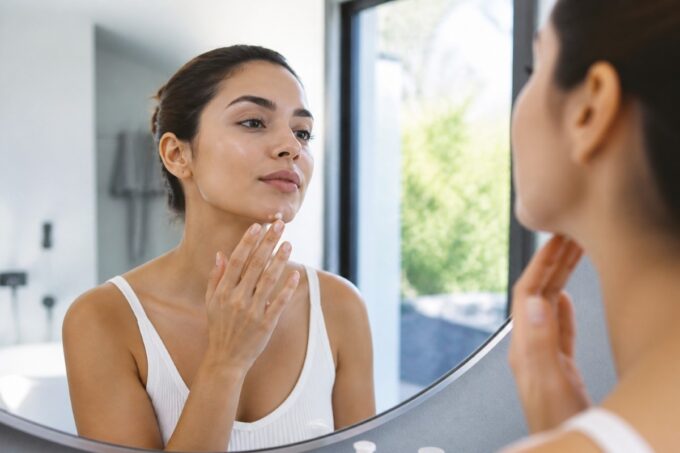
Period acne is a hormonal breakout that appears in the week or so before your period and usually clears a few days after bleeding starts. It happens because estrogen drops in the second half of your cycle while progesterone and androgen activity stay relatively high, which makes your skin produce more oil. That extra oil,…
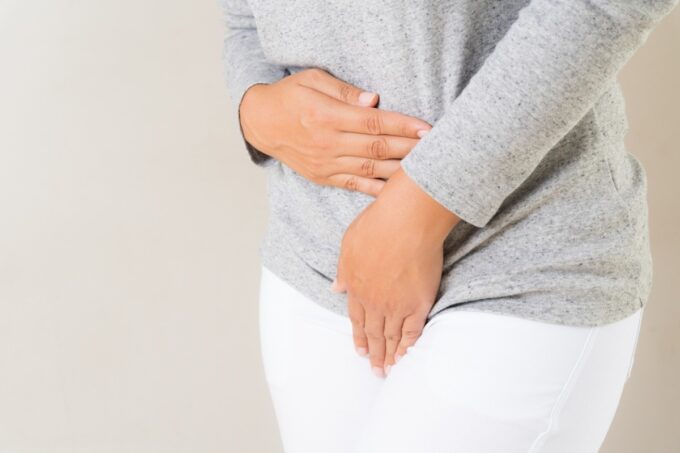
Urinary incontinence is the involuntary loss of urine, and it happens when the urinary system loses support from the muscles surrounding it. Leaks can be triggered by a cough, a sneeze, or pressure during intercourse, and it is estimated that up to 55% of women experience some degree of incontinence in their lifetime. Pregnancy, childbirth,…
Burning with urination, urgency, and frequent trips to the bathroom are the symptoms everyone associates with a urinary tract infection. But those same symptoms can be produced by hormonal changes without any bacteria involved. Estrogen and progesterone both act directly on the tissue of your bladder, urethra, and vagina, and when their levels shift, urinary…
Pubic hair changes throughout your life, and changes in thickness, color, and texture are a normal part of aging. Just like the hair on your head, the hair in your pelvic area responds to your hormones over time. As those hormone levels change with each decade, you may notice your pubic hair getting thinner, turning…
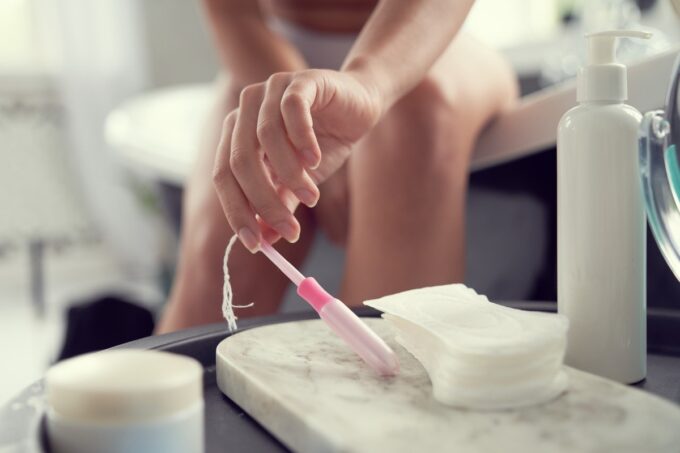
A normal menstrual cycle happens every 21 to 35 days, with bleeding that lasts about two to seven days. Flow is usually heavier in the first couple of days and then tapers off, and mild cramping or the occasional small clot is common. When bleeding falls outside that range, happens at unexpected times, or becomes…
Polycystic ovary syndrome, or PCOS, is one of the most common hormonal conditions in women of reproductive age. It happens when the ovaries make higher-than-normal levels of androgens, sometimes called “male” hormones. This imbalance can throw off ovulation, which is why irregular or missed periods are often one of the first clues something is going…
Stress can shift the timing of your period, including causing it to appear earlier than expected. Your menstrual cycle is controlled by a chain of hormone signals between your brain and your ovaries, and stress hormones can interrupt that chain. When that happens, your cycle length can change, sometimes by a few days and sometimes…
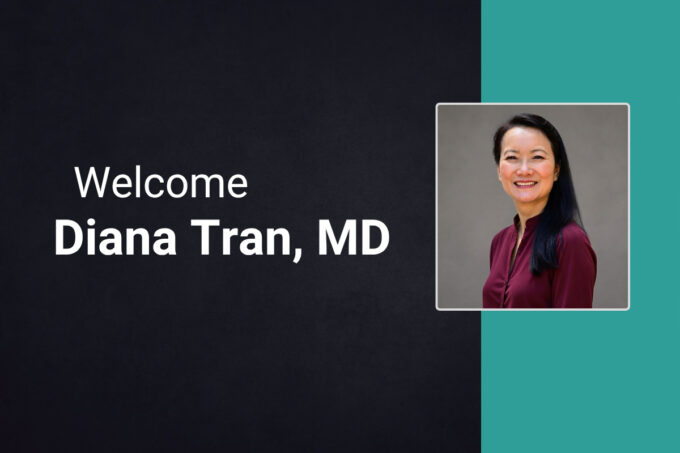
We have some happy news to share: Dr. Diana Tran, a board-certified obstetrician and gynecologist, has joined our team. She brings years of experience in obstetrics and gynecology, a steady hand in the delivery room, and an approach to care that fits right in with how we like to do things. Ask Dr. Tran what…
Fertility in your 30s is still very much on your side, but it does come with a few things worth understanding. More women than ever are starting their families during this decade, and for good reason. Greater financial stability, stronger relationships, and a clearer sense of readiness all make the 30s a popular time to…