
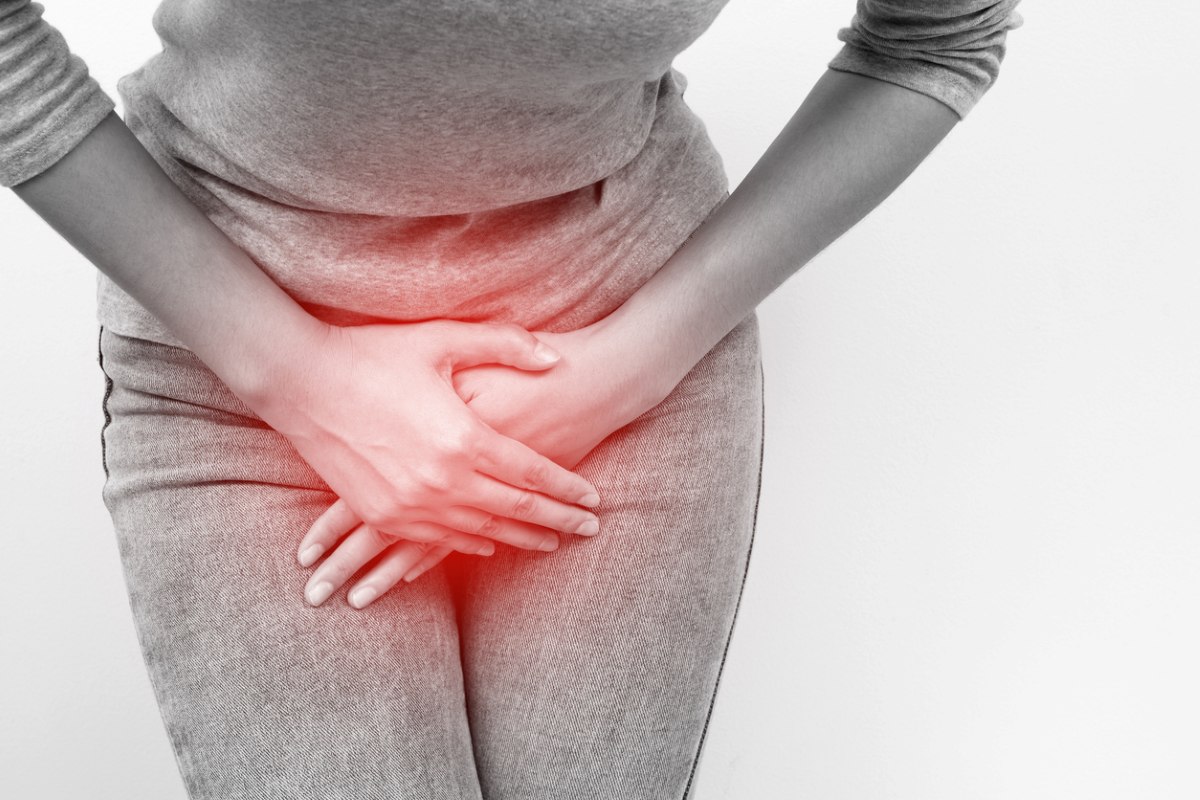
Chronic pelvic pain is persistent pain felt below the belly button that lasts for six months or longer. It affects a significant number of women and can range from a dull ache to sharp, cramping discomfort. The pain may come and go or remain constant, and it may or may not be tied to your menstrual cycle. While chronic pelvic pain can feel overwhelming, understanding what might be causing it is the first step toward finding relief.
Common Conditions Behind Chronic Pelvic Pain
Several gynecological conditions are known to cause lasting pelvic pain. One of the most common is endometriosis, a condition where tissue similar to the uterine lining grows outside the uterus. These growths still respond to hormonal changes during your cycle, which can lead to inflammation, scarring, and significant pain, especially during periods or intercourse.
Uterine fibroids are another frequent cause of pelvic pain. These noncancerous growths develop in or around the uterus and can create a feeling of pressure or heaviness in the lower abdomen. Many fibroids produce no symptoms at all, but larger ones may lead to pain, discomfort, and heavy or prolonged periods.
Adenomyosis occurs when tissue similar to the uterine lining grows into the muscular wall of the uterus itself. This can cause the uterus to enlarge and may result in painful, heavy periods and discomfort during intercourse.
Pelvic inflammatory disease (PID) is an infection typically caused by sexually transmitted bacteria like chlamydia or gonorrhea. Research shows that roughly one-third of women who experience PID go on to develop chronic pelvic pain, possibly due to lasting damage to the uterus, ovaries, or fallopian tubes. STI testing and early treatment can help reduce the risk of complications like PID.
Beyond the Reproductive System
Not all chronic pelvic pain starts with a gynecological condition. Pelvic floor dysfunction is a commonly overlooked contributor. When the muscles of the pelvic floor become too tight or go into spasm, they can cause deep, aching pain along with problems during urination, bowel movements, or intercourse.
Conditions involving other body systems can also contribute to pelvic pain. Irritable bowel syndrome (IBS) can produce cramping and lower abdominal pain that mimics gynecological issues. Interstitial cystitis, a chronic bladder condition, may cause pelvic pressure and urinary urgency. Nerve-related pain, such as pudendal neuralgia, is a chronic, often debilitating, neuropathic pain condition caused by damage, irritation, or compression of the pudendal nerve in the pelvis. Because so many systems overlap in the pelvis, pinpointing the exact cause sometimes takes time and careful evaluation.
How Chronic Pelvic Pain Is Diagnosed
Diagnosing chronic pelvic pain typically starts with a detailed conversation with your gynecologist about your symptoms, medical history, and menstrual patterns. A physical and pelvic exam will help your provider check for tenderness, masses, or other abnormalities.
From there, your provider may order lab work such as vaginal swabs, urine tests, or blood tests to rule out infection or hormonal imbalances. Imaging, such as a transvaginal ultrasound or MRI, can help identify fibroids, adenomyosis, or ovarian cysts. In some cases, a laparoscopy may be recommended. This is a minimally invasive surgical procedure that uses a small camera to look directly inside the pelvis for conditions like endometriosis that may not show up on imaging alone.
When to Stop Blaming Your Period
Many women spend years assuming their pain is just “bad periods.” But if pelvic pain is interfering with your daily life, keeping you home from work or school, making intimacy painful, or getting worse over time, it is time to seek help. Pain during bowel movements or urination, discomfort while sitting for long stretches, and pain that persists outside of your period are all signs worth discussing with your provider.
Chronic pelvic pain is not something you should push through or accept as normal. It is treatable. Depending on the underlying cause, treatment options may include medication, hormonal therapy, pelvic floor physical therapy, or minimally invasive surgical procedures. Your provider will work with you to develop a plan tailored to your specific situation.
Finding Lasting Relief Begins with One Visit
If you have been living with pelvic pain that will not go away, schedule an appointment with Care for Womens Medical Group. With offices in Upland, Rancho Cucamonga, Chino Hills, and Eastvale, the practice offers individualized care and advanced treatment options, including minimally invasive and robotic surgery, to help you get back to feeling like yourself.