
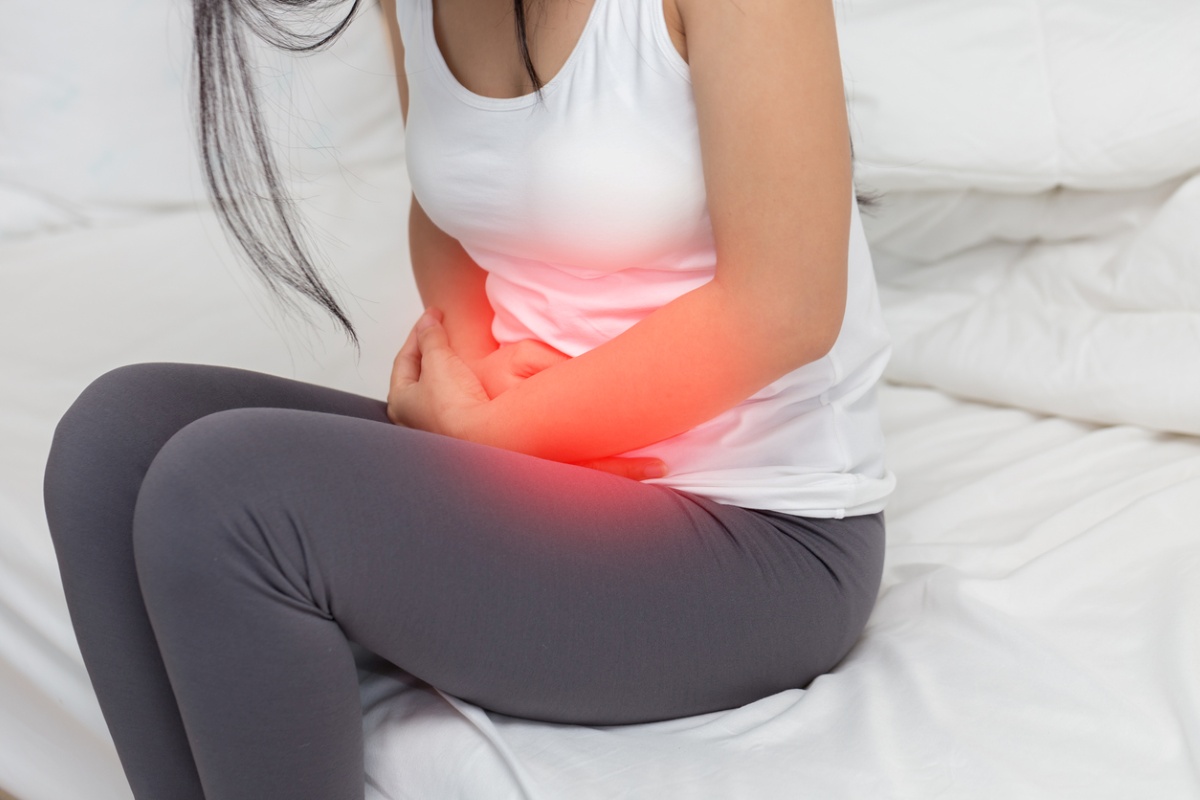
Polycystic ovary syndrome (PCOS) is one of the most common hormonal conditions affecting women of reproductive age. Despite how widespread it is, many women go undiagnosed for years, struggling with symptoms that impact their skin, weight, mood, and fertility.
What Is PCOS?
PCOS is a condition caused by a hormonal imbalance that affects how the ovaries function. Women with PCOS often have higher-than-normal levels of androgens, sometimes called “male” hormones, which can disrupt ovulation and lead to irregular periods, cysts on the ovaries, and other symptoms.
The name refers to the presence of many small cysts on the ovaries due to hormonal imbalances. However, not all women with PCOS have visible cysts. Diagnosis is based on a combination of symptoms, hormone levels, and medical history.
Common Symptoms of PCOS
Symptoms of PCOS can vary widely from person to person. Some women have only mild signs, while others experience a range of persistent challenges. Often, symptoms begin in the late teens or early twenties but may become more noticeable as hormone levels shift.
Here are the most common symptoms to look for:
- Irregular or missed periods
- Excess facial or body hair (hirsutism)
- Acne or oily skin, especially along the jawline
- Thinning hair or hair loss on the scalp
- Weight gain or difficulty losing weight
- Dark patches of skin, particularly around the neck or underarms
- Fertility difficulties due to infrequent ovulation
- Mood swings, anxiety, or depression
If you recognize any of these signs, especially in combination, talk with your provider. Early evaluation can help prevent long-term complications and give you better control over your health.
Risk Factors for PCOS
PCOS can affect anyone with ovaries, but certain factors may increase your risk of developing the condition. These include:
- Family history of PCOS
- Insulin resistance or type 2 diabetes
- Obesity or being overweight
- Sedentary lifestyle
- Early onset of menstruation
- Hormonal imbalances, such as elevated androgens
- Inflammation or metabolic syndrome
Even women who do not fit these categories can develop PCOS. You do not need to meet every risk factor to receive a diagnosis.
How Is PCOS Diagnosed?
There is no single test for PCOS, which can make diagnosis challenging. At Care for Womens, we use a comprehensive approach that includes:
- A detailed review of your menstrual history and symptoms
- A physical exam, including checking for signs of excess hair growth or skin changes
- Blood tests to evaluate hormone levels, including testosterone and other androgens
- Blood sugar and cholesterol tests to check for related conditions
- Pelvic ultrasound to look for enlarged ovaries or small follicles
PCOS is typically diagnosed when at least two of the following criteria are met:
- Irregular or absent ovulation
- Elevated levels of androgens
- Polycystic ovaries visible on ultrasound
Our team takes the time to explain the diagnostic process and answer your questions along the way.
Hormonal Impacts of PCOS
PCOS is a hormonal condition at its core. The main imbalance involves increased androgens, but other hormones can be affected too, including:
- Insulin: Many women with PCOS have insulin resistance, meaning their bodies do not respond well to insulin. This can lead to higher blood sugar and increase the risk of type 2 diabetes.
- Progesterone and Estrogen: Because ovulation happens less often, progesterone levels may be low, and estrogen can remain unopposed. This can cause longer cycles and heavier periods.
- LH and FSH: These two hormones help regulate ovulation. In PCOS, the balance between them is often disrupted, making it harder to release eggs regularly.
Understanding how these hormones interact is essential to building an effective treatment plan.
PCOS and Fertility
One of the most difficult parts of PCOS for many women is its effect on fertility. Because PCOS can interfere with regular ovulation, it may be harder to become pregnant without support. However, having PCOS does not mean you cannot get pregnant.
At Care for Womens, we offer basic infertility evaluations and can guide you through options such as:
- Cycle tracking and ovulation prediction
- Lifestyle modifications to improve ovulation
- Medications to stimulate egg release
- Referral to fertility specialists if needed
Many women with PCOS go on to have healthy pregnancies with the right treatment and timing. Early care is key to identifying and addressing fertility challenges.
Long-Term Health Considerations
Beyond reproductive health, PCOS can raise the risk of other long-term health concerns. That is why early diagnosis and ongoing management are so important. Health risks linked to PCOS include:
- Type 2 diabetes
- High blood pressure
- High cholesterol
- Endometrial cancer
- Sleep apnea
- Anxiety and depression
We work closely with patients to screen for these issues and provide preventive care that supports long-term well-being.
Treatment Options for PCOS
There is no cure for PCOS, but there are many ways to manage symptoms and reduce risks. Your treatment plan will depend on your symptoms, goals, and whether you are trying to become pregnant.
Lifestyle changes are often the first step:
- Regular physical activity
- A balanced diet that supports stable blood sugar
- Weight loss, although this can be very difficult with PCOS
- Stress management techniques
These steps can improve hormone regulation, support ovulation, and reduce complications like insulin resistance.
Medication options may include:
- Birth control pills to regulate periods and lower androgen levels
- Anti-androgen medications to reduce acne and excess hair growth
- Metformin to improve insulin sensitivity
- Ovulation-stimulating medications if you are trying to conceive
At Care for Womens, we also offer bio-identical hormone therapy and vaginal rejuvenation services to support women who are experiencing sexual health concerns or hormonal imbalances related to PCOS and aging.
We take a whole-person approach that goes beyond symptom relief. Our goal is to help you feel better and live well.
Living Well with PCOS
PCOS can be frustrating, especially when symptoms are unpredictable. But it is manageable, and you do not have to navigate it alone. Many women find relief through a combination of lifestyle changes, medical treatment, and emotional support.
Here are a few ways to take charge of your health:
- Keep a symptom journal to track changes
- Ask about regular screenings for diabetes, cholesterol, and blood pressure
- Connect with support groups or online communities
- Talk openly with your provider about what is and is not working
- Celebrate small wins as you make progress
You are more than your diagnosis, and with the right care, you can live a vibrant and healthy life.
We Are Here to Support You
At Care for Womens Medical Group, we are committed to raising awareness about PCOS and providing personalized, compassionate care for every woman. Whether you have been recently diagnosed or have been managing symptoms for years, we are here to help.
Our team offers:
- PCOS evaluation and diagnosis
- Hormonal lab testing and imaging
- Lifestyle and nutrition guidance
- Infertility support
- Hormone replacement therapy when appropriate
- In-office treatments to address related symptoms
We are proud to support our patients during PCOS Awareness Month and every month of the year.
Take the Next Step in Your PCOS Journey
If you are experiencing symptoms of PCOS or looking for a supportive care team, schedule an appointment with Care for Womens Medical Group. Together, we will build a care plan that empowers you to take control of your health and feel your best.