
Endometriosis: Diagnosis and Treatment
Endometriosis is a common yet often misunderstood condition that affects millions of women worldwide. It occurs when tissue similar to the lining of the uterus begins to grow in places where it does not belong, such as the ovaries, fallopian tubes, or pelvic cavity. Because this tissue responds to hormonal changes in the same way as the uterine lining, it can cause pain, inflammation, and other complications when it breaks down each month.
Endometriosis is more than just a painful period. It can interfere with daily activities, impact emotional well-being, and, in some cases, make it harder to conceive. Fortunately, awareness, early diagnosis, and effective treatments can make a real difference in managing symptoms and protecting long-term health.
Understanding Symptoms of Endometriosis
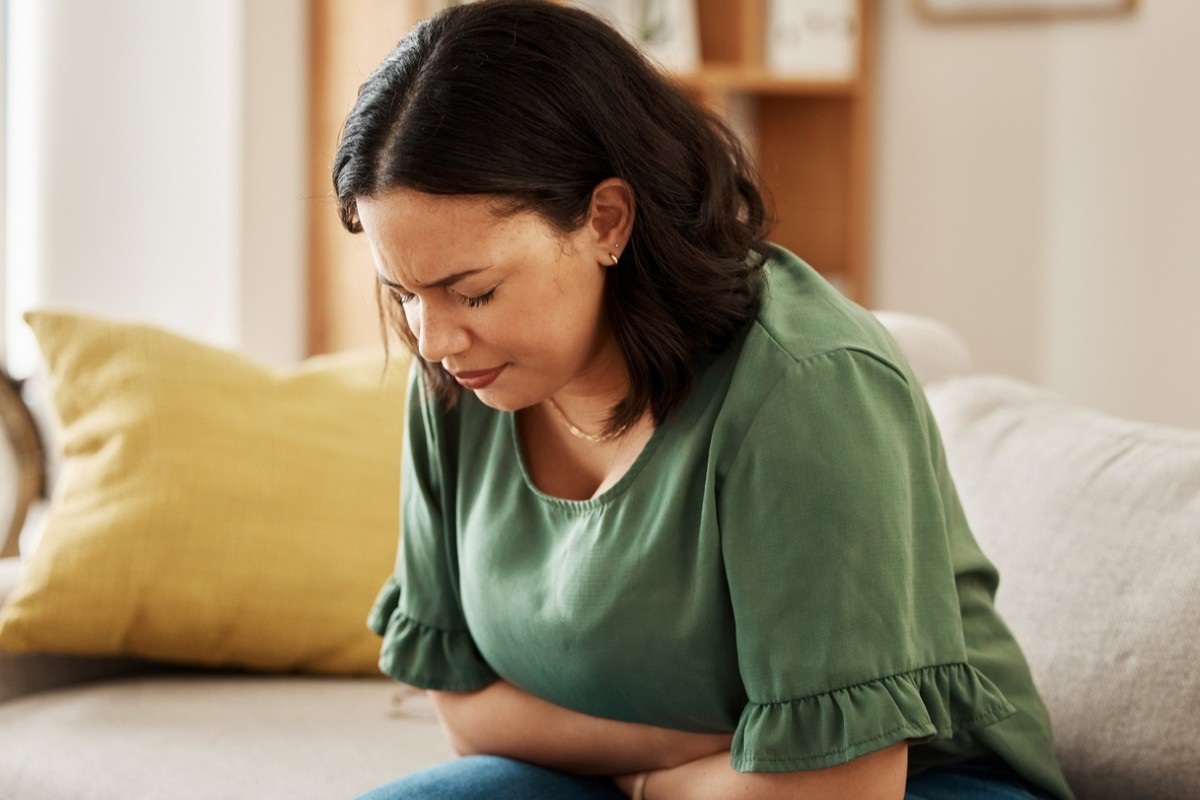
The experience of endometriosis varies for every woman. For many, symptoms are most noticeable around menstruation, but pain or discomfort may also occur at other times of the month. Common symptoms include painful periods that may begin before menstruation and continue for several days, pelvic cramping, and lower back pain. Heavy menstrual bleeding is another frequent concern.
Some women also experience pain during intercourse, while others notice pain with bowel movements or urination, especially during their period. Fatigue, bloating, and gastrointestinal issues are also sometimes linked to the condition.
It is important to note that not every woman with endometriosis will have obvious symptoms. For some, infertility or difficulty conceiving may be the first sign that something is wrong. This is why open communication with your OBGYN is essential if you suspect changes in your cycle or experience pain that disrupts daily life.
Risk Factors for Endometriosis
Doctors and researchers are still working to understand precisely why endometriosis develops. While the cause is not fully known, several factors may increase a woman’s risk. A family history of endometriosis, especially in a mother, sister, or daughter, appears to raise the likelihood of developing the condition. Women who delay childbirth until their thirties or later, as well as those who have never given birth, may also face a higher risk.
Certain structural differences in the uterus and menstrual flow patterns have been studied as possible contributors. Having risk factors does not guarantee that you will develop endometriosis, but being aware of them can help you and your provider recognize symptoms earlier.
How Endometriosis Is Diagnosed
Diagnosing endometriosis can sometimes be challenging, as its symptoms overlap with other conditions such as pelvic inflammatory disease, ovarian cysts, or irritable bowel syndrome. A thorough medical history and physical examination are usually the first steps, as endometriosis can’t be diagnosed solely from blood tests or imaging.
Your provider may recommend imaging tests, such as an ultrasound, to detect cysts or other irregularities. In some cases, a blood test can help rule out other causes of symptoms. However, the only way to confirm endometriosis with certainty is through laparoscopy, a minimally invasive surgical procedure that allows the doctor to view and sometimes remove the tissue directly.
Because endometriosis can take years to diagnose, being proactive about discussing your symptoms can help shorten the process and get you the care you need sooner.
Treatment Options for Endometriosis
Treatment for endometriosis is individualized, taking into account your symptoms, the extent of the condition, and your future family planning goals. Options range from conservative approaches to more advanced interventions.
For women with mild symptoms, watchful waiting may be appropriate, especially if pain is manageable. Pain relievers, including nonsteroidal anti-inflammatory drugs like ibuprofen, are often used to help control cramping and discomfort.
Hormonal therapies can also play an important role. Birth control pills, hormonal IUDs, and medications such as gonadotropin-releasing hormone agonists are often prescribed to help regulate or suppress menstrual cycles, reducing pain and limiting further growth of endometrial-like tissue. Women managing related concerns such as menstrual irregularities may also benefit from these therapies.
If symptoms persist despite medication, or if fertility is a concern, surgery may be considered. Conservative surgery focuses on removing or destroying the misplaced tissue while preserving reproductive organs whenever possible. This approach can improve symptoms and increase the chances of conception for women trying to become pregnant.
Endometriosis and Fertility
One of the most difficult challenges of endometriosis is its potential impact on fertility. Scar tissue and inflammation can interfere with ovulation, block fallopian tubes, or make it harder for a fertilized egg to implant. Some women only learn they have endometriosis after seeking help for infertility.
However, many women with endometriosis are still able to conceive, especially with the proper care. Treatments such as surgery to remove endometrial tissue, fertility medications, or assisted reproductive techniques can significantly improve the chances of becoming pregnant.
If you are planning a family and have endometriosis, it is essential to talk openly with your provider about your goals. Early intervention can help preserve fertility and guide you to the most effective options.
Living with Endometriosis
Beyond physical symptoms, endometriosis can affect emotional and mental well-being. Chronic pain and uncertainty about fertility may lead to stress, anxiety, or depression. Building a strong support system, seeking counseling when needed, and staying connected with your care team are important parts of managing the condition.
Lifestyle adjustments can also support treatment. Regular exercise, a balanced and/or anti-inflammatory diet, pelvic floor therapy, and stress management techniques such as yoga or meditation may help reduce discomfort. Women experiencing painful intercourse may also benefit from evaluating concerns related to dyspareunia with their provider.
While these steps cannot cure endometriosis, they can complement medical treatment and improve quality of life.
Prognosis and Long-Term Outlook
Endometriosis is a chronic condition, meaning it does not go away on its own. Left untreated, it can cause ongoing pain and complications with fertility. However, with early diagnosis and effective treatment, most women can manage symptoms successfully and maintain a healthy lifestyle.
Advances in research and treatment continue to improve outcomes for women with endometriosis. Working closely with a knowledgeable OBGYN ensures that your care plan is tailored to your needs and updated as new options become available.
Supportive, Personalized Care at Care for Womens
At Care for Womens Medical Group, we understand how challenging endometriosis can be. Whether you are experiencing painful periods, struggling with fertility, or simply want clarity about your symptoms, we are here to help. Our team provides comprehensive evaluations, personalized treatment plans, and compassionate care to support you every step of the way.
If you are concerned about symptoms of endometriosis, do not wait. Schedule an appointment with Care for Womens Medical Group today. Early diagnosis and treatment can make all the difference in protecting your health and quality of life.