
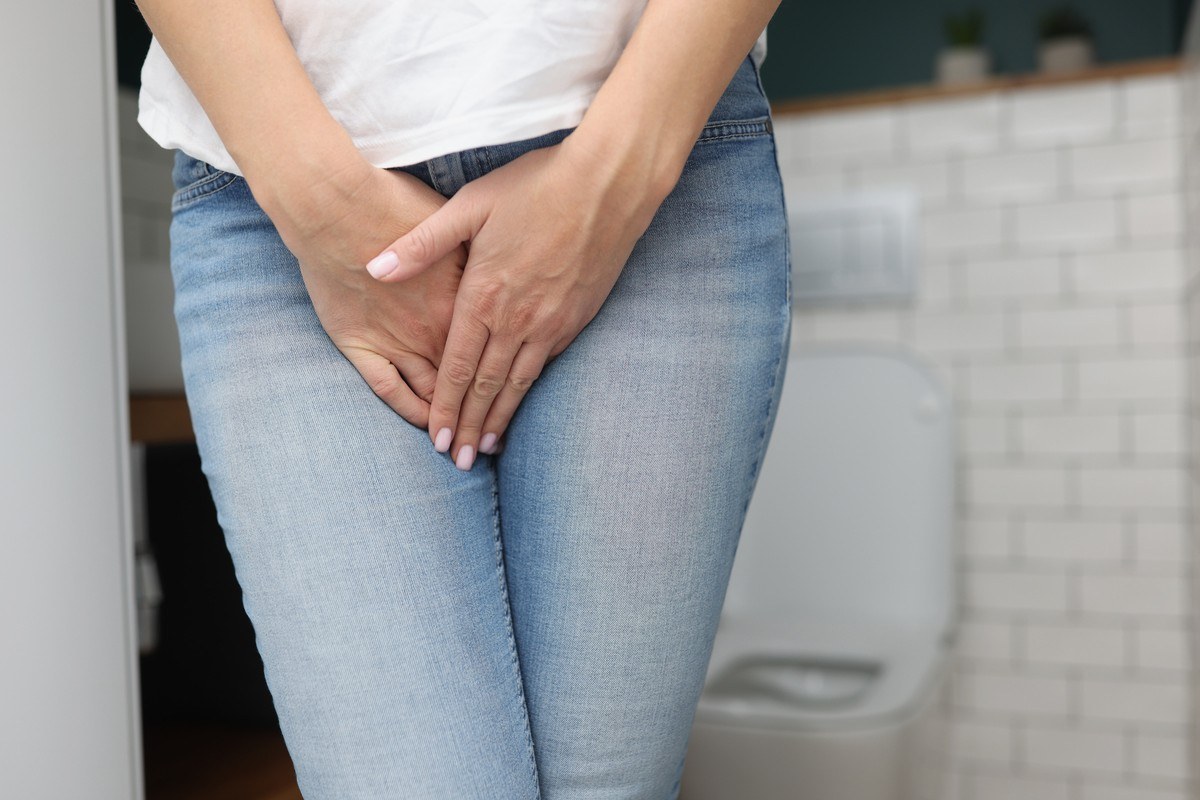
Bladder leaks, also called urinary incontinence, or the unintentional loss of bladder control, are more common than many people realize, and it’s nothing to be embarrassed about. For millions of women, it’s a condition that quietly affects quality of life, interfering with exercise, travel, social events, or even laughing and sneezing.
Understanding Urinary Incontinence
Urinary incontinence happens when the muscles and nerves that control the bladder don’t work as they should. While it can happen to anyone, it’s especially common in women due to the physical changes of pregnancy, childbirth, menopause, and aging.
There are several types of urinary incontinence, each with different triggers and causes:
Stress Incontinence
This is the most common type among women. It happens when pressure is placed on the bladder during physical activities such as coughing, sneezing, laughing, running, or lifting something heavy. It’s often due to weakened pelvic floor muscles or urethral sphincter weakness, frequently linked to childbirth or pelvic surgery.
Urge Incontinence
Sometimes called “overactive bladder,” this type involves a sudden, intense urge to urinate followed by involuntary leakage. It may be caused by nerve issues, muscle overactivity, or irritation in the bladder lining.
Mixed Incontinence
This is a combination of both stress and urge incontinence. Many women experience symptoms of both, especially as they age or after childbirth.
Overflow Incontinence
This type occurs when the bladder doesn’t empty completely, leading to frequent dribbling. It’s less common in women and may be associated with nerve damage or blockages.
Functional Incontinence
In this case, a person has normal bladder control but physical or cognitive limitations prevent them from reaching the bathroom in time.
Recognizing which type of incontinence you have is the first step toward effective treatment. That’s where an experienced care team can make all the difference.
What Causes Incontinence in Women?
Urinary incontinence is typically a symptom of an underlying issue. Causes vary depending on your age, health history, and life stage.
Common contributing factors include:
- Pregnancy and childbirth: The weight of pregnancy and trauma during vaginal delivery can weaken the pelvic floor muscles and damage nerves that control the bladder.
- Menopause: Estrogen helps keep the lining of the bladder and urethra healthy. When levels decline, tissues can become thinner and less elastic.
- Aging: As we age, bladder muscles may lose strength and capacity, leading to increased frequency and urgency.
- Pelvic surgery: Surgeries involving the uterus or other pelvic organs can sometimes damage support structures or nerves.
- Obesity: Excess weight places more pressure on the bladder and pelvic floor.
- Constipation: Straining during bowel movements can stress pelvic muscles over time.
- Certain medications or health conditions: Diuretics, neurological disorders, and chronic cough can contribute to symptoms.
If you’ve started noticing small leaks or feel like you’re always rushing to the restroom, don’t ignore the signs. There are many options available, and early detection helps your provider find the best treatment options, and can prevent symptoms from getting worse.
At-Home Strategies and Lifestyle Changes
Before turning to procedures or medications, there are several lifestyle adjustments that may improve or even eliminate urinary incontinence:
- Pelvic floor exercises (Kegels): These strengthen the muscles that control urination. When done consistently and correctly, they can significantly reduce leakage.
- Bladder training: This involves urinating on a schedule to help your bladder hold urine longer. Over time, it can reduce frequency and urgency.
- Fluid management: Drinking too little or too much fluid can worsen symptoms. Avoid caffeine, alcohol, and carbonated beverages, which irritate the bladder.
- Healthy weight management: Losing even a small amount of weight can reduce pressure on the bladder.
- Dietary adjustments: Some people find that acidic foods, spicy meals, or artificial sweeteners worsen their symptoms.
Lifestyle changes are often the first line of defense and can be highly effective when paired with professional guidance.
Minimally Invasive Treatments That Work
When conservative measures aren’t enough, medical treatments can offer relief. At Care for Womens, we offer non-surgical and minimally invasive options tailored to each patient’s needs and comfort level.
VTone: Strengthen the Pelvic Floor with Gentle Technology
VTone is an FDA-cleared, non-surgical device that uses gentle electrical muscle stimulation (EMS) to rehabilitate and tone the pelvic floor muscles. The treatment is painless, performed in-office, and doesn’t require downtime.
It’s ideal for patients experiencing mild to moderate stress or urge incontinence, especially those recovering from childbirth or going through menopause.
Benefits of VTone include:
- Improved pelvic floor strength
- Better bladder control
- Reduced leakage episodes
- Comfortable and quick sessions (typically under 30 minutes)
VTone is part of our vaginal rejuvenation service offerings and can be combined with other treatments like MonaLisa Touch or Votiva for more comprehensive pelvic support.
Hormone Therapy
For women in perimenopause or menopause, declining estrogen levels can contribute to urinary symptoms. We offer SottoPelle® hormone replacement therapy using bio-identical pellets to help improve tissue elasticity and urinary tract health.
Other Treatment Options
Depending on your diagnosis and preferences, we may also recommend:
- Medications that calm overactive bladder muscles
- Urethral inserts or pessaries for added bladder support
- Botox injections into the bladder muscle to reduce spasms
- Referral for advanced surgical procedures, if needed
Our goal is to find the most effective solution with the least disruption to your lifestyle. We take the time to explain your options and build a plan that works for you.
When to Talk With a Provider
It’s easy to dismiss bladder leaks as a normal part of aging or something you just have to live with, but that’s not the case. Urinary incontinence is a medical condition, and there are treatments that can help.
Make an appointment if you:
- Leak urine when you laugh, sneeze, or exercise
- Feel sudden, strong urges to urinate that are hard to control
- Wake up multiple times during the night to urinate
- Avoid activities or social events because of bladder concerns
- Experience burning, pain, or other unusual symptoms with urination
- Feel like your symptoms are affecting your confidence or mental health
You deserve care that takes your concerns seriously and offers real solutions. Our team provides a safe, judgment-free space to talk about symptoms and explore treatments that fit your goals.
Supportive, Personalized Care at Care for Womens
At Care for Womens Medical Group, we understand how personal urinary health can be. Whether you’re newly postpartum, navigating menopause, or simply frustrated with bladder leaks, we’re here to help you regain comfort and control.
Our team offers:
- In-office pelvic floor evaluations
- VTone and other vaginal rejuvenation treatments
- Hormone therapy options
- Personalized care plans based on your needs and lifestyle
If you’re experiencing urinary incontinence, don’t wait. Relief is possible, and you don’t have to face it alone. Schedule an appointment with Care for Womens Medical Group to talk about your symptoms and take the first step toward lasting improvement.