
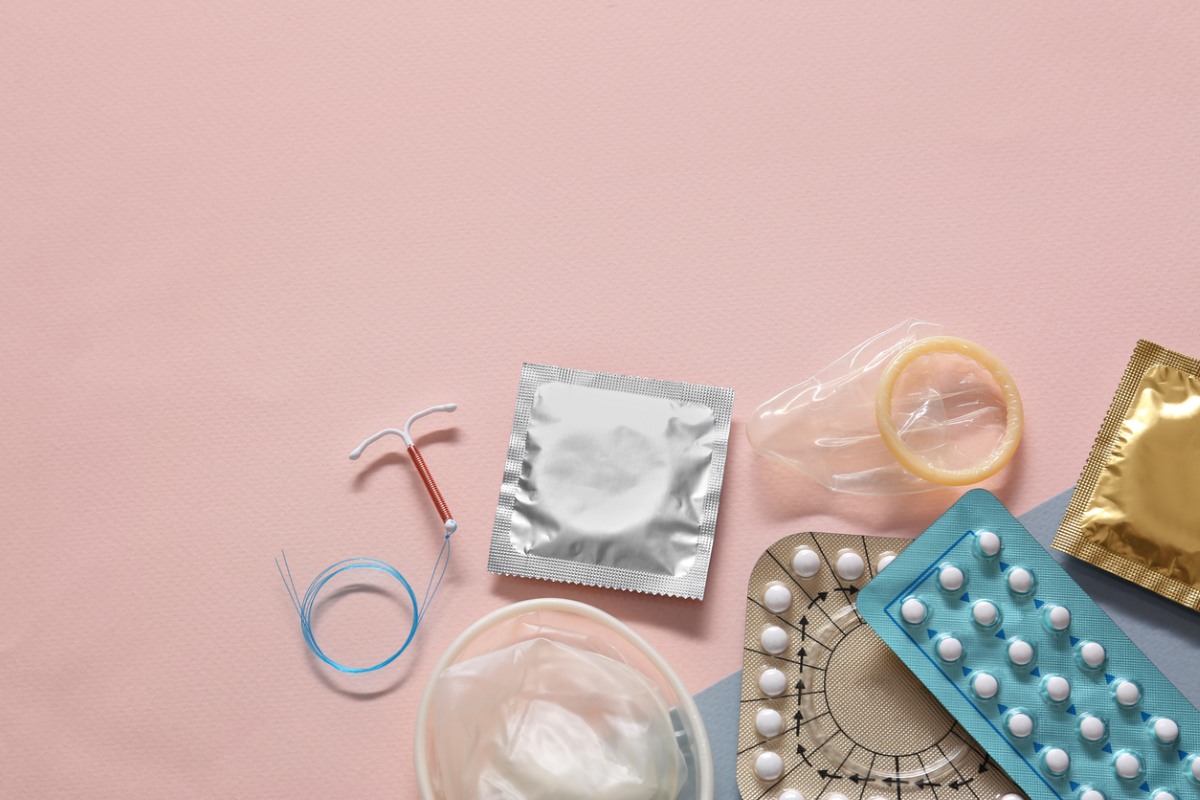
Choosing the right form of contraception is an important part of taking control of your health. With so many methods available, it can feel overwhelming to know where to begin. Should you consider the most popular option, or would another method be better suited to your lifestyle and medical history? What about side effects or the ability to reverse the method when you decide to start a family?
The truth is that contraception is not one-size-fits-all. The best choice depends on your age, health history, personal preferences, and reproductive goals.
How Contraception Works
Contraceptives prevent pregnancy in a variety of ways. Some methods work by preventing sperm from reaching the egg, while others stop an egg from being released each month. Certain types may alter the lining of the uterus to prevent a fertilized egg from attaching, or they may thicken cervical mucus so that sperm cannot easily pass through.
The effectiveness of contraception depends on the method you use and how consistently you use it. Long-acting reversible options such as intrauterine devices (IUDs) and implants are among the most reliable, with pregnancy rates lower than one percent. Shorter-term methods like pills, patches, or injections can also be highly effective but require more consistency from the user.
It is also important to remember that contraceptives do not protect against sexually transmitted infections (STIs). The only reliable protection against STIs is using a condom.
If STI prevention is a priority, consider using condoms alongside another highly effective birth control method, a practice known as dual protection. This is especially important for anyone with multiple or new partners.
Factors to Consider Before Choosing a Method
Selecting contraception is a personal decision, and it is important to consider all aspects of your health and lifestyle before making a choice.
Your medical history plays a key role. Conditions such as high blood pressure, migraines, epilepsy, depression, or a history of blood clots may influence which methods are safe for you. Hormonal contraceptives that contain estrogen and progesterone may not be recommended in some cases.
If you have migraine with aura, a history of blood clots, or certain types of cancer, non-estrogen options such as the progestin-only pill, implant, or copper IUD may be safer. Always provide your complete medical and family history during your contraception consultation.
Side effects are another factor. Some women tolerate hormonal contraceptives well, while others may find the changes in mood, weight, or skin difficult to manage. Your provider can help you weigh these risks and benefits.
Reversibility is also worth considering. If you plan to become pregnant soon, you may prefer a method that is easy to stop, such as the pill. If pregnancy is not in your near future, a longer-term option like an IUD may be a better fit.
Lifestyle and convenience are equally important. If you struggle to remember a daily pill or dislike scheduling appointments for injections, you may prefer a low-maintenance option. Think about what matters most to you and share those priorities with your provider.
Consider whether you prefer a hormone-free method or want to avoid a daily or monthly routine. If you are postpartum or breastfeeding, certain methods are preferred for safety and effectiveness.
Common Contraceptive Options
Although there are many different methods available, here are some of the most common forms of contraception and what to know about each.
Oral contraceptive pills are taken daily and can be highly effective when used consistently. They contain hormones that prevent ovulation and regulate cycles. Some preparations also improve acne or reduce menstrual cramps.
The contraceptive patch is a small adhesive that you place on your skin, usually on the belly, back, or arm. It releases hormones into your system and is replaced weekly for three weeks, followed by one patch-free week. When used correctly, it is about 91 percent effective.
The implant, such as Nexplanon, is a thin rod inserted under the skin of your arm by a healthcare provider. It slowly releases hormones and provides protection for up to four years. It is more than 99 percent effective and requires no daily action.
Intrauterine devices (IUDs) are small, T-shaped devices placed inside the uterus by a provider. They can be hormonal, like Mirena, Kyleena, or Skyla, or non-hormonal, like Paragard, which uses copper. IUDs are more than 99 percent effective and can last between three and ten years, depending on the type. They are long-term yet fully reversible.
The contraceptive shot, or Depo-Provera, is an injection given every three months. It is safe, convenient, and about 94 percent effective, but it does require scheduling regular appointments. Some women experience changes in their menstrual cycle while using this method.
Each of these options has its own set of benefits, challenges, and costs. Discussing them with your OBGYN will help you determine which one best fits your current needs and future goals.
Some insurance plans cover all FDA-approved contraceptive methods at no cost, but coverage can vary. Ask your provider’s office for help navigating insurance questions or accessing patient assistance programs if cost is a concern.
Addressing Common Questions
When considering contraception, many women have similar concerns. Here are some of the most common questions and their answers.
How quickly can I get pregnant after stopping birth control?
This depends on the method. Fertility often returns quickly after stopping the pill, patch, or ring. Implants and IUDs also allow for a rapid return to fertility once removed. The shot, however, may delay ovulation for several months after your last injection.
Are there risks associated with hormonal contraceptives?
Hormonal methods can slightly increase the risk of blood clots, especially in women who smoke or have other medical conditions. Your provider will carefully review your history to ensure the safest option is recommended.
Do contraceptives have non-contraceptive benefits?
Yes. Hormonal methods can help regulate periods, reduce heavy bleeding, ease cramps, and improve acne. Some IUDs are also used as part of treatment for conditions like endometriosis.
If you have irregular cycles, severe cramps, or heavy bleeding, ask about which contraceptive options may help control these symptoms. Some hormonal methods can significantly reduce period pain and frequency.
Making the Right Choice
Ultimately, choosing contraception comes down to finding what works best for your body, your health, and your lifestyle. What works for one person may not be the right choice for another. The most important step is having an open, honest conversation with your OBGYN.
Prepare for your appointment by making a list of your questions and any concerns you have about side effects, fertility, or long-term use. This ensures your visit is focused and all your needs are addressed.
At Care for Womens Medical Group, we are here to guide you through the options and answer your questions. Whether you are looking for a temporary solution, a long-term method, or help transitioning off contraception to start a family, our care team will support you with expertise and compassion.
Take the Next Step in Your Contraception Journey
If you are considering birth control or want to explore your options, schedule an appointment with Care for Womens Medical Group today. Together, we can find the method that fits your health, your goals, and your lifestyle, giving you peace of mind and confidence in your reproductive choices.