
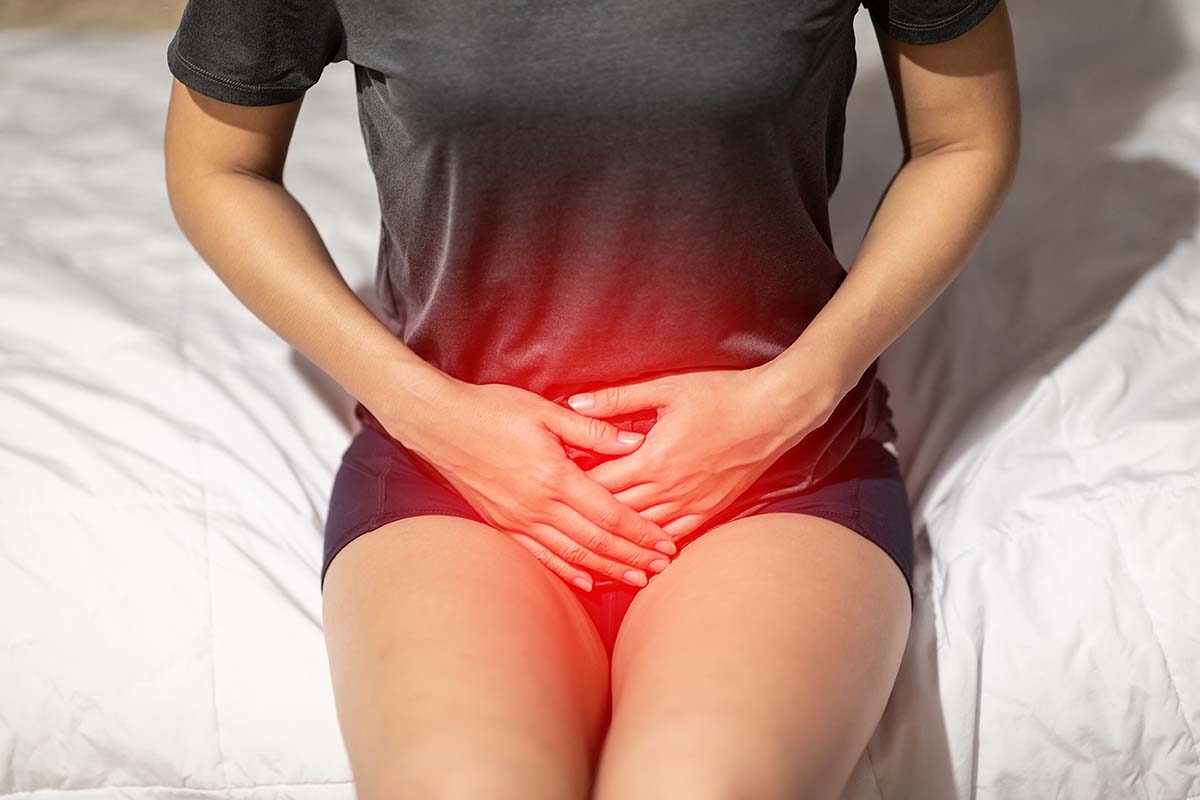
Vaginal pain can mean different things to different women. In general, it refers to a wide range of issues that may cause pain or discomfort around the vaginal area. Discomfort may refer to an itchy vulva that was caused by vaginitis or it may be pain in the genital area that results from an infection. Because there exists a range of conditions that may be considered vaginal pain, it is best to start off by thinking about what the exact cause of the pain may be. Think about the following:
When the pain first started
Has the pain been ongoing for a few weeks or is it new? Pain that is relatively new suggests acute causes such as a yeast infection, sexually transmitted infection or other acute illness. Long Standing pain may be related to your menstrual cycle.
If you have experienced the pain before
Is the pain similar to any period pain that you have had in the past? This type of pain may be the result of fibroids or other menstrual irregularity.
Is the pain associated with any unusual discharge? Bleeding or pain in other areas?
Any vaginal pain that is associated with discharge or abnormal bleeding should be promptly investigated by a doctor. This symptom also points to an infection.
Is the pain associated with stomach cramps?
New onset vaginal pain that is associated with cramping should also be investigated by a doctor urgently, particularly if you are experiencing symptoms such as a high fever or nausea.
Common causes of vaginal pain or discomfort
Common causes of vaginal pain or discomfort include
Uterine fibroids
Uterine fibroids are non-cancerous growths of the uterus that often appear in women during their reproductive years. In situations where fibroids cause symptoms these may present as severe menstrual cramps, heavy menstrual bleeding or bleeding between periods. Fibroids are a common cause of menstrual cramps.
Endometriosis
Endometriosis is a medical condition in which cells that normally line the inside of the uterus (the endometrium) begin to grow on the outside of the uterus instead. Endometriosis can lead to heavy bleeding during your menstrual cycle. Some women may also notice pelvic pain and cramping. Endometriosis can be diagnosed with a scan or by an investigation known as a laparoscopy.
Bacterial vaginosis
Bacterial vaginosis is a condition that results from a change of the normal bacteria found in the vagina. Essentially, good bacteria in the vagina are overgrown by bad bacteria. The discharge of bacterial vaginosis appears thin white or gray. It may also be accompanied by itching and discomfort. Bacterial vaginosis may require antibiotics for treatment.
Sexually transmitted infections
In some cases, Sexually Transmitted Infections (STI) such as chlamydia and gonorrhoea can cause vaginal discomfort. If an STI is present, abnormal vaginal discharge, itching or rashes in the genital area may be experienced. STIs should always be treated immediately as an untreated STI can lead to long term complications.
Pelvic inflammatory disease
Pelvic inflammatory disease (PID) is the infection of a woman’s reproductive organs. It is a complication often caused by sexually transmitted infections such as chlamydia or gonorrhoea. PID is a serious medical condition that should be treated by a doctor as soon as possible. Symptoms of PID include pain in the lower abdomen, a high temperature, burning sensation when passing urine and bleeding between periods.
Vaginal dryness
Vaginal dryness is a symptom that is commonly associated with menopause. Estrogen helps to maintain the thickness and lubrication of the vaginal lining. Therefore, when estrogen levels decline during menopause, vaginal dryness can occur. This may lead to discomfort and itching. It can also interfere with your sex life.
When to see your doctor
The conditions mentioned above are not an exhaustive list of all issues that can lead to vaginal pain or discomfort. The important point to remember is that any vaginal pain that is new and accompanied by symptoms such as abdominal pain, abnormal vaginal discharge, vaginal itching or vaginal bleeding should always be looked at urgently by your doctor. Vaginal pain should not be ignored.